Development · October 27, 2026

A 30-day holiday readiness plan helps an ecommerce team focus on issues that can disrupt sales or customer trust. Adapt the timing to your own peak dates, inventory lead times, and fulfilment capacity.
Review analytics from previous campaigns, support tickets, stockouts, and site errors. Test your highest-traffic landing pages, product templates, search, cart, and checkout. Record the top five risks and assign an owner to each.
Improve slow or confusing pages, compress oversized images, remove unused scripts, and test mobile interactions. Verify that analytics, consent handling, order notifications, and payment events work. Keep a rollback plan for theme and app changes.
Align stock records with suppliers and warehouses. Set realistic delivery cutoffs, prepare packaging, and make policies visible. Test promotional codes, exclusions, bundles, and tax or shipping calculations using representative carts.
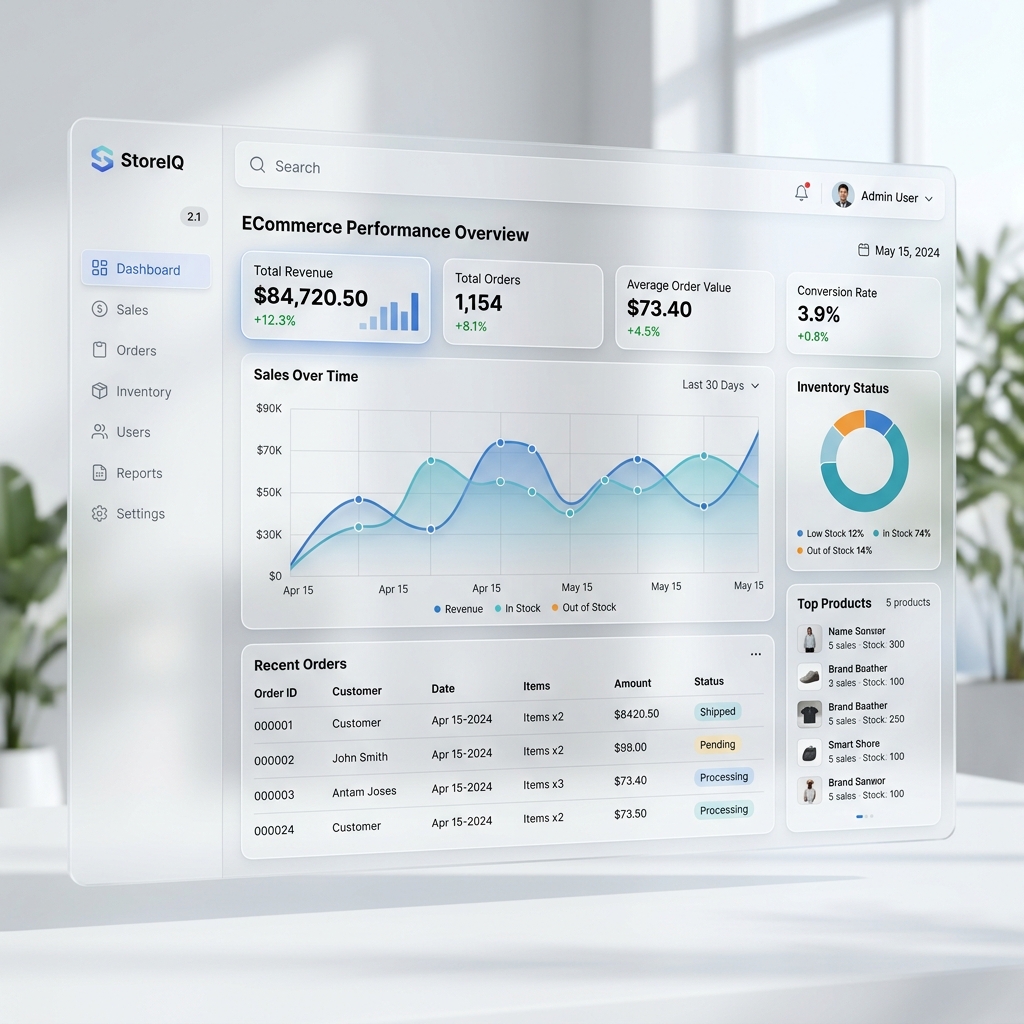
Run a complete test order and refund. Brief support staff on common questions and escalation paths. Check access permissions, backups, incident contacts, and reporting dashboards. During campaigns monitor checkout errors, conversion, page speed, stock, and ticket volume.
Clear delivery estimates and honest stock messages protect customer confidence. If a product sells out, explain the next available option. If a promotion has a limit, state it before the shopper reaches payment.
Use the checklist as a working document rather than a one-time audit. The strongest preparation is a short list of visible risks, named owners, and tested fixes.